










BBs in Your Gears: How a Blowout or a Dropped Tungsten Destroys an Orbital Weld Head
BBs in your gears.
Some of the most expensive weld head repairs start with something small. A blowout throws a few beads of metal into the head, or a tungsten drops inside, and the operator keeps welding. The head keeps turning, until it stops.
What a BB is
When a weld blows out, molten metal gets pushed out of the joint. It freezes into small, hard, round beads. In the shop we call them BBs. On an open bench they are just a mess to sweep up. Inside an enclosed orbital weld head they are a real problem, because the head is built around a rotor and a gear train that turns it around the tube.
Why BBs destroy a weld head
The gears in a weld head are meshed tight. They have to be, because they control your travel speed around the joint. A hard metal bead that falls into that mesh does not get pushed aside. It gets carried into the teeth.
- Teeth get chipped or deformed where the BB goes through the mesh.
- The rotor binds or hesitates, and the motor works harder to push through it.
- Damage from one gear spreads to the next as the head keeps running.
- Rotation stops being smooth, so travel speed is no longer consistent, and your welds show it.
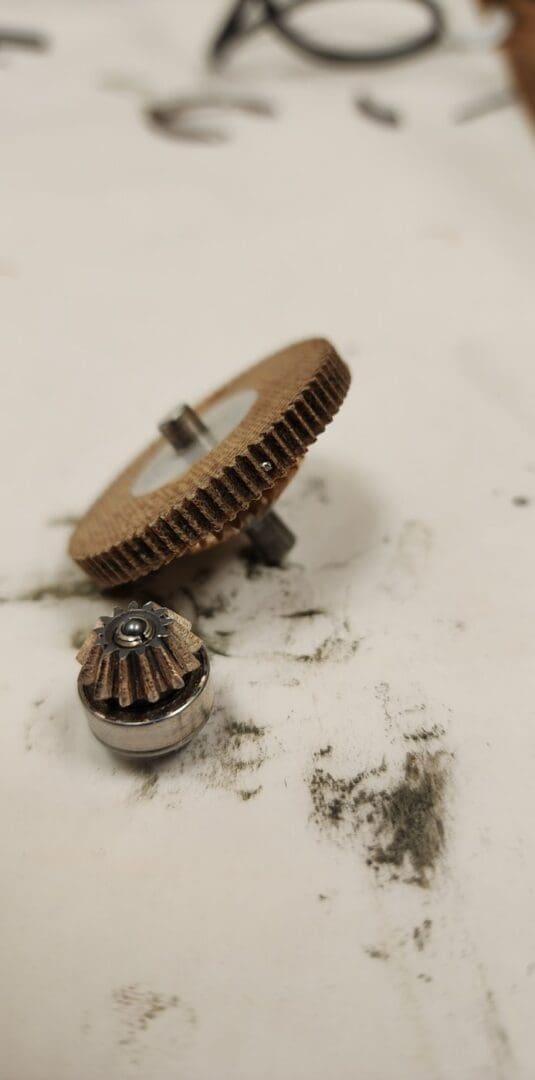
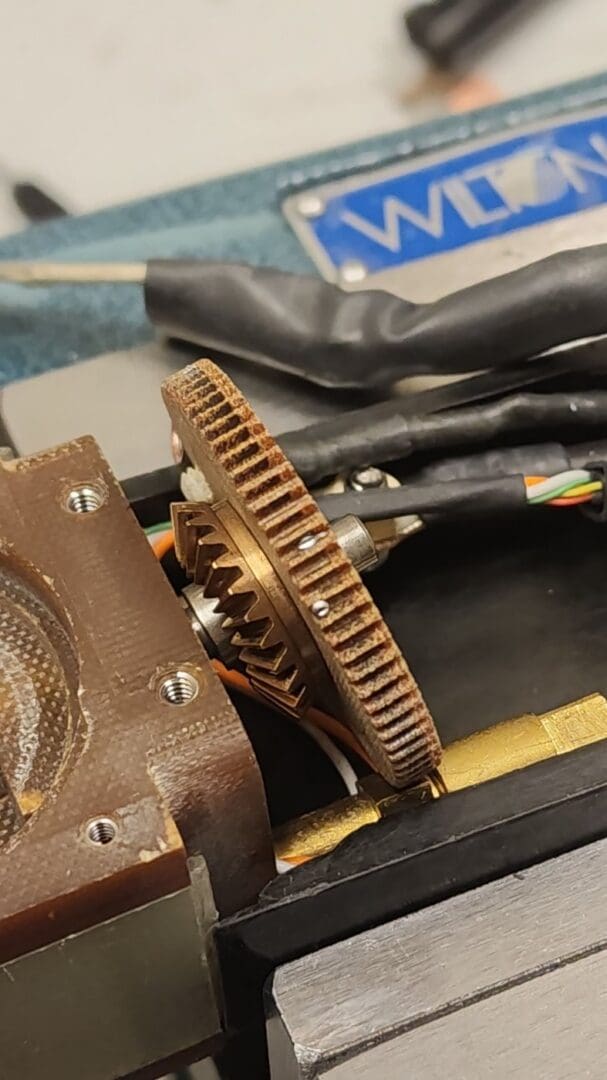
A head that needed a cleaning now needs gears. Keep running it and it can need more than that.
If you have a blowout, check the head for BBs before you weld again.
After a blowout: what to do
- Stop. Do not wipe the head off and move on to the next joint.
- Look inside the head, around the rotor and anywhere a bead could have dropped toward the gears.
- Jog the rotor slowly and listen. Grinding, clicking or a catch in the rotation means something is in there.
- If you find BBs near the gears, or you cannot confirm the head is clean, send it in before you run it again.
Dropped a tungsten in the head? Stop.
Same story, and just as common. A tungsten slips during a change and ends up inside the head. The temptation is to run the head and let it work its way out. Don’t. Tungsten is hard and brittle. It can snap into pieces, and every piece is one more thing that can end up in the gears.
If you drop a tungsten in the weld head, stop and get it fixed before it becomes an expensive issue.
Warning signs your head needs service
- Grinding, clicking or rough noise as the rotor turns.
- The rotor hesitates, stutters or changes speed through the rotation.
- The head struggles to return to its home position.
- Weld beads look uneven at one part of the circumference.
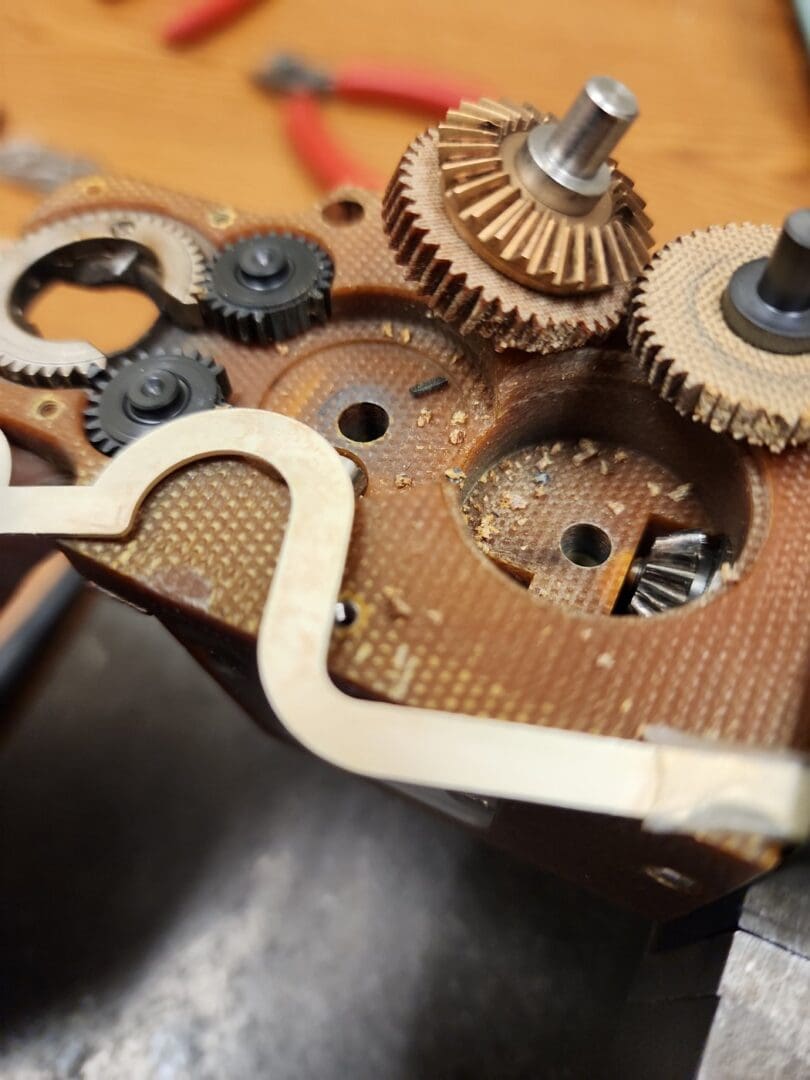
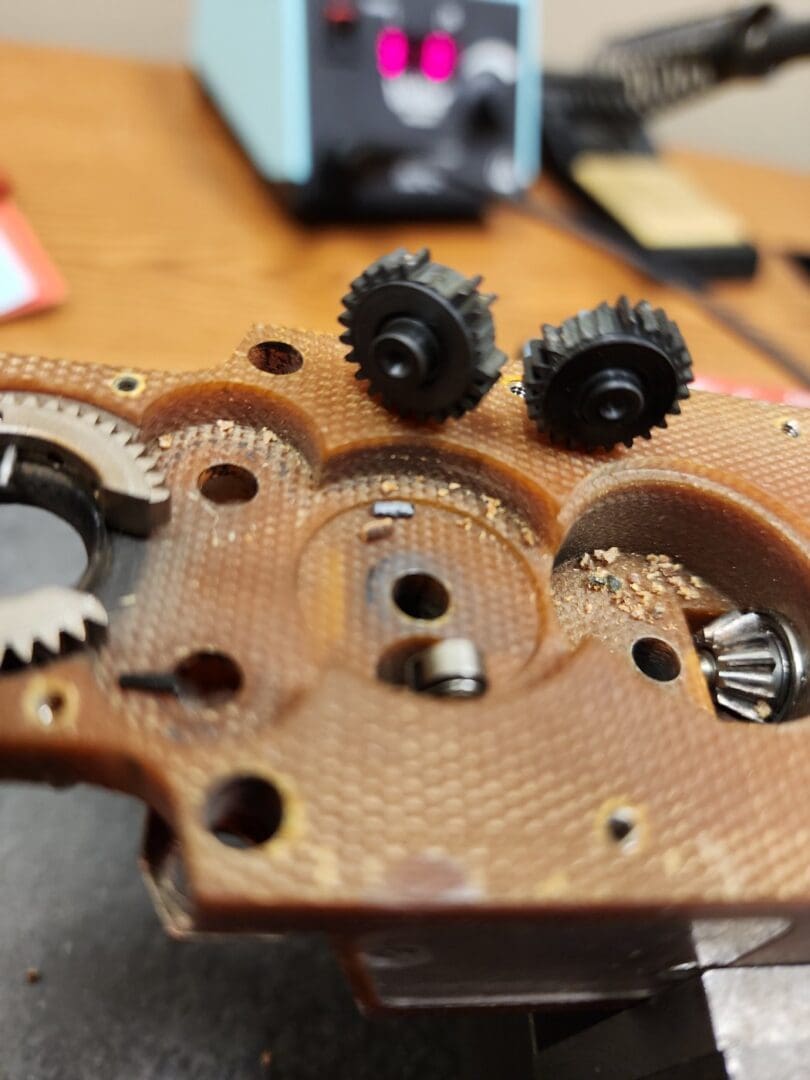
Any one of these is a reason to have the head looked at before your next job, not after it.
Get your weld heads serviced regularly
You don’t need a blowout to wear out a weld head. Heads are working mechanisms. Gears, bearings and moving parts wear with every weld, and small debris builds up over time. Regular service catches that wear early, while it is still a service job and not a rebuild. It also keeps travel speed consistent and keeps a head from quitting halfway through a job.
Every unit we repair is test welded, multiple times, before it ships back to you.
Put your heads on a preventive maintenance plan
The easiest way to stay ahead of it is a preventive maintenance plan. Your heads come in on a schedule that matches how hard you run them. They get cleaned, inspected and tested, and small problems get fixed before they turn into downtime on a job. You plan the service around your work, not the other way around.
Call us and we will set up a plan around your equipment and your schedule.
Blowout, dropped tungsten, or just due?
Send it in. We repair orbital welding weld heads and power supplies in our shop just outside Denver, Colorado, and we can set your heads up on a preventive maintenance plan.